Audio
AirPods Pro 2: Small earbuds, considered compromises
Noise cancellation, useful controls and a pocketable case make a persuasive combination. The right choice still depends on your phone and your fit.
 DAMAO
Independent reviews. Considered choices.
Clip-on earbuds take a different approach to daily audio. We weigh the open fit, shared-space tradeoffs and the case for a premium pair.
Original editorial analysis based on published specifications and credited reporting. DAMAO has not performed hands-on or laboratory testing of this product. Model and software details matter; check the exact version before buying.
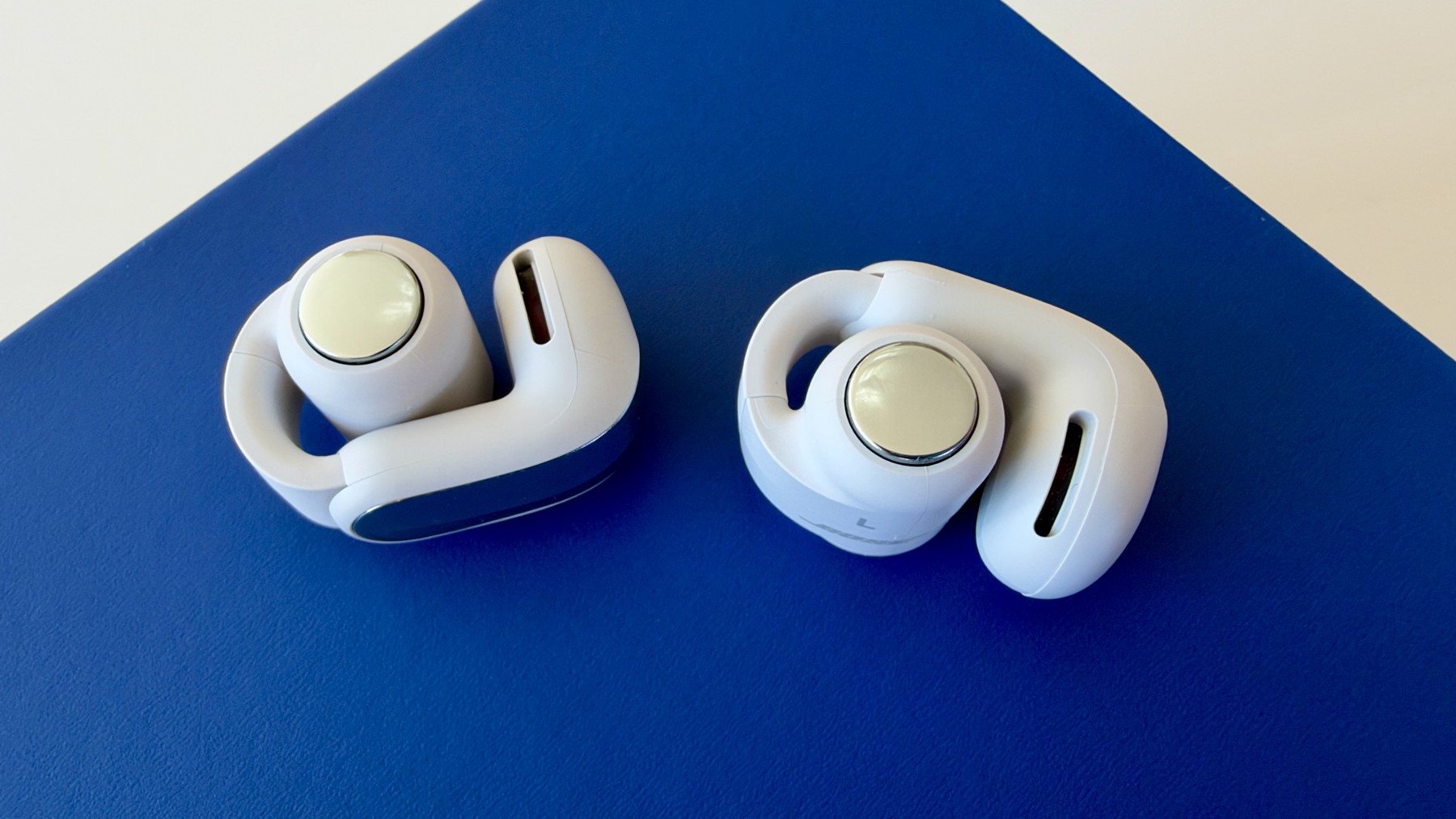
Open-ear earbuds solve a different problem from noise-canceling in-ear models. Bose Ultra Open Earbuds (2nd Gen) use a clip-on arrangement that leaves the ear canal unsealed. That format can appeal to people who dislike silicone tips or want audio to coexist with a room. It also asks a premium buyer to accept a different balance between isolation, privacy and convenience.
The cuff-like form positions the driver outside the ear canal. Its value depends on whether that arrangement stays comfortable on your ears, with your glasses, throughout the activities you have in mind. A photograph can explain the mechanism, but it cannot answer the fit question. A retailer with a clear return policy is particularly useful for a design this dependent on anatomy.
Physical controls sit on the barrel behind the ear. A dedicated button may be easier to identify by touch than an invisible gesture area, but reaching it is still a personal preference. Try controlling playback and volume rather than judging comfort from a moment spent wearing the earbuds without using them.
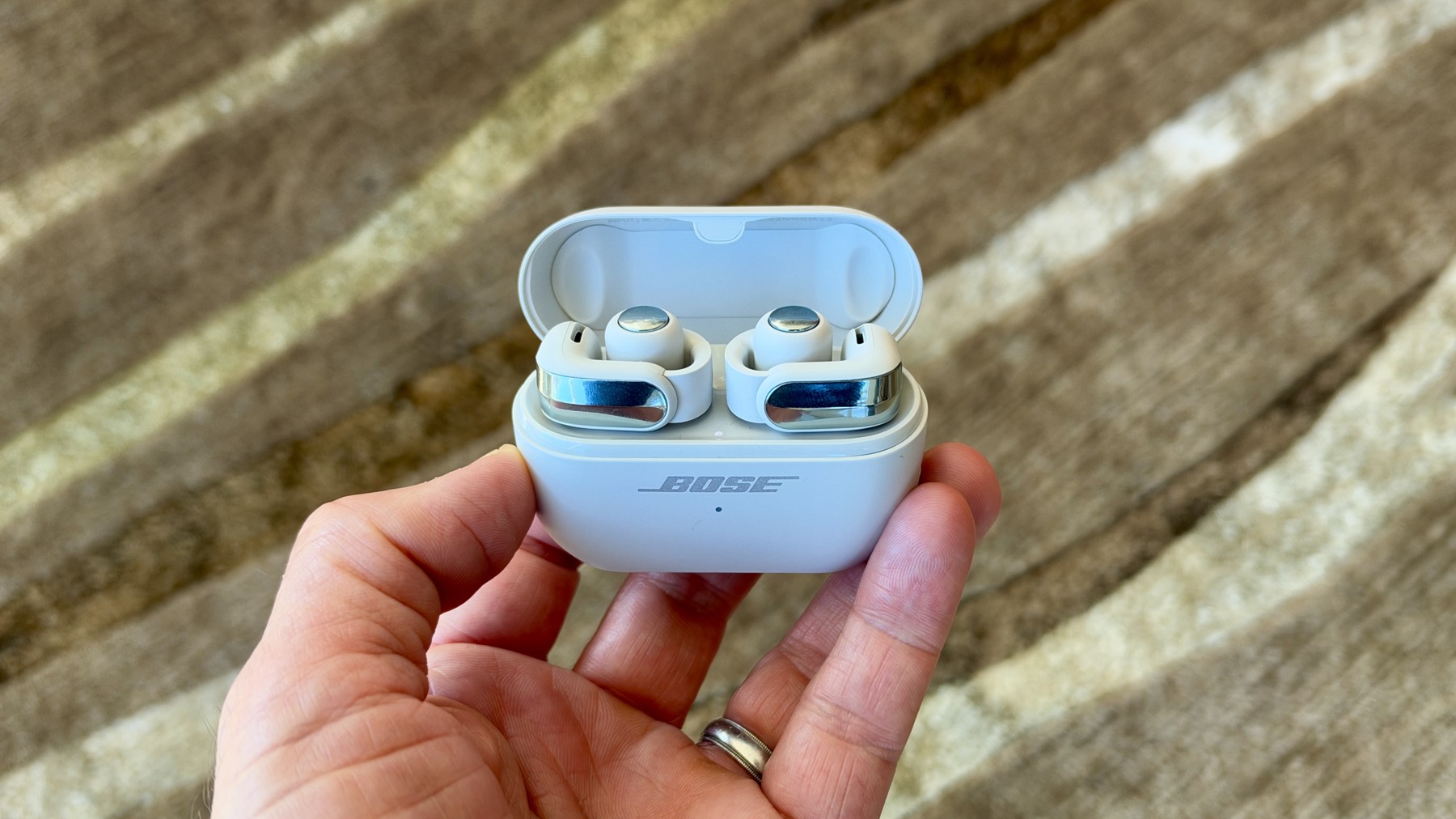
Leaving the canal open means outside sound remains part of the listening environment. That may suit a quiet workspace or a household where someone might speak to you. It is a very different proposition on a noisy commute. If the purpose of your purchase is to remove the sound of a train, a sealed design with active cancellation is the more relevant comparison.
Open ears are not a guarantee of safety or attention. Music can still distract, and the environment can still mask important sounds. The useful buying distinction is simply the degree of isolation you want. We have not performed listening, leakage or traffic-awareness tests and do not recommend relying on any earbud as a safety device.
An open design also changes the question of sound privacy. In a quiet shared space, leakage may matter to other people even when you can still hear them. Evaluate the volume you would actually use and the distance at which someone else normally sits. This is especially important in libraries, quiet offices and shared bedrooms.
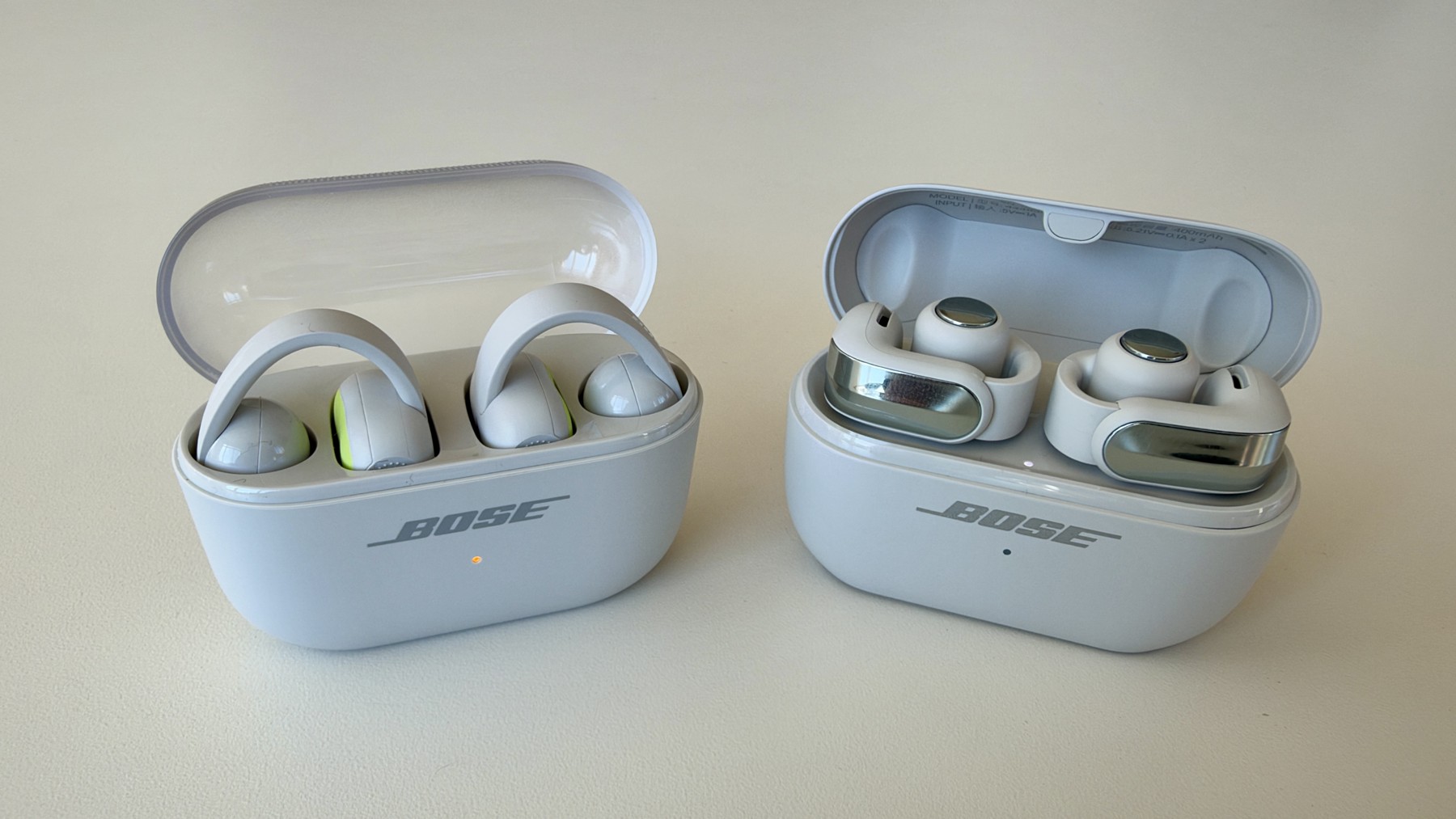
Reported changes to the second-generation charging case include wireless charging and a revised upright shape. Those are useful everyday conveniences, but they should not distract from the wearing format. A nicer case cannot fix a pair that does not sit in a comfortable position on your ears.
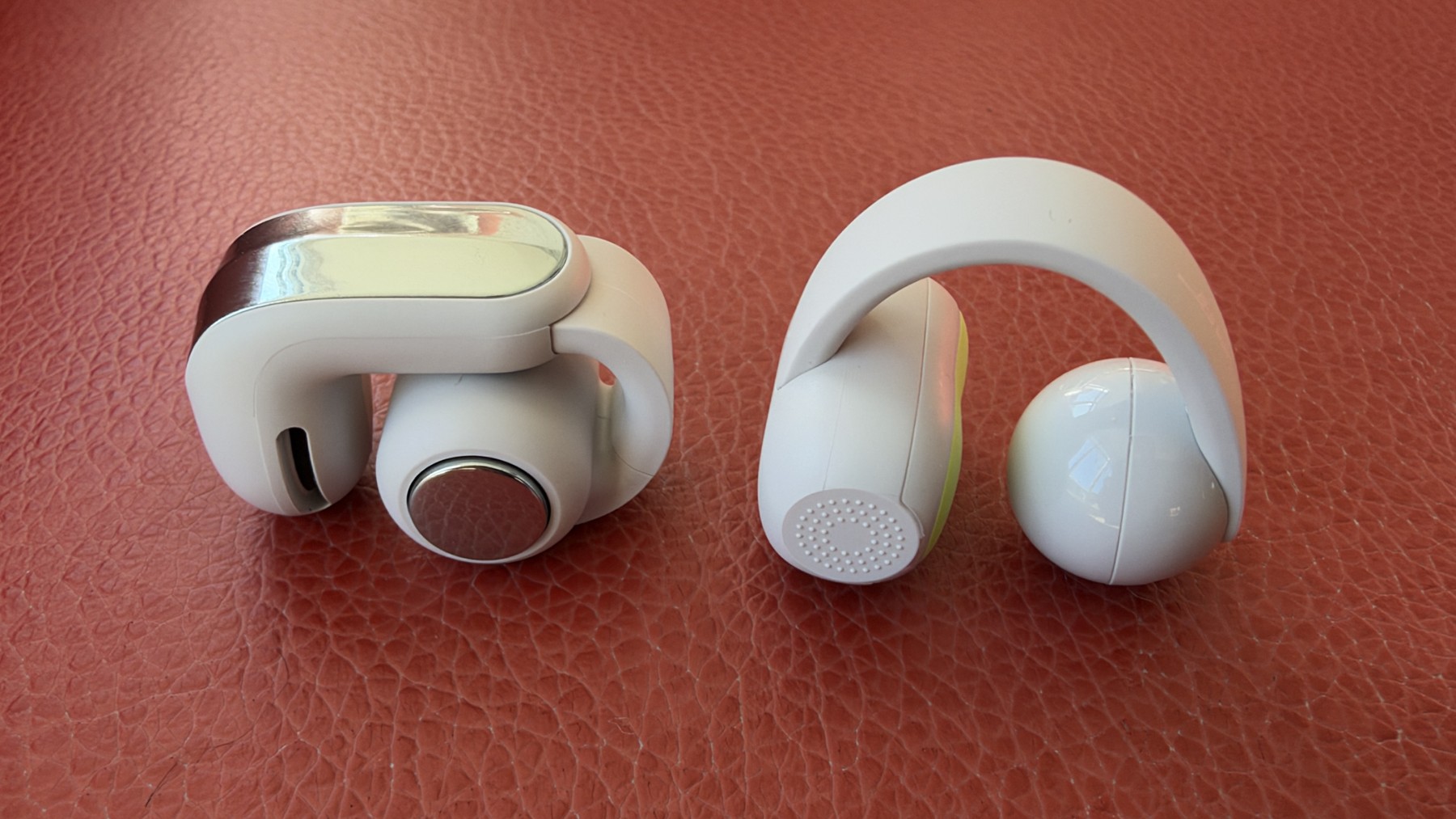
A higher price needs a reason tied to your own use. If ordinary in-ear tips become uncomfortable, a different design can be worth more than a longer feature list. If you are already happy with sealed earbuds and regularly need quiet, paying extra for an open design may reduce the usefulness of your next purchase.
Compare the total ownership proposition: fit, controls, case, warranty and the availability of replacement parts or support. Be cautious about treating a claimed battery figure as your guaranteed result, particularly when using optional processing modes. Our recommendation is conditional on the wearing style working for you; it is not a laboratory ranking against every open-ear competitor.
Consider these if sealed tips are uncomfortable and you mainly listen in relatively quiet surroundings. Compare conventional noise-canceling earbuds if trains, aircraft or busy offices are your main listening environments.
The DAMAO verdict
The case for these earbuds starts with the open fit. Try them for your own routine and compare the actual selling price with other clip-on designs. A premium is easier to defend when the wearing style solves a real problem, rather than simply offering another way to play music.
Published Oct 17, 2026. This is a source-based assessment of the model identified above. Pricing, software features and availability can change.
Corrections: damaohello123@damao.com
Noise cancellation, useful controls and a pocketable case make a persuasive combination. The right choice still depends on your phone and your fit.
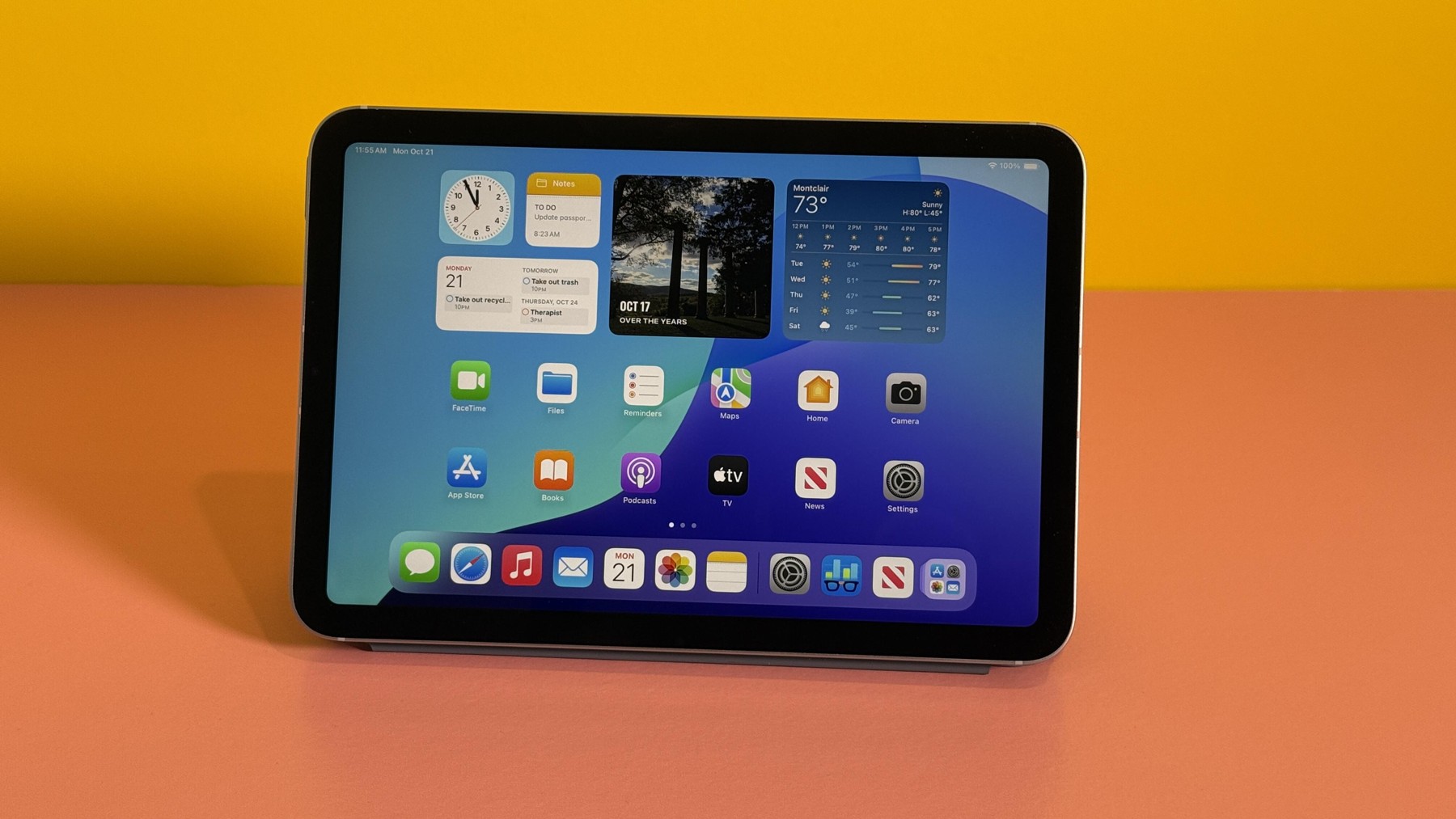
A portable tablet for reading, sketching and travel. Its small format is the reason to buy it, and the limitation you need to accept.
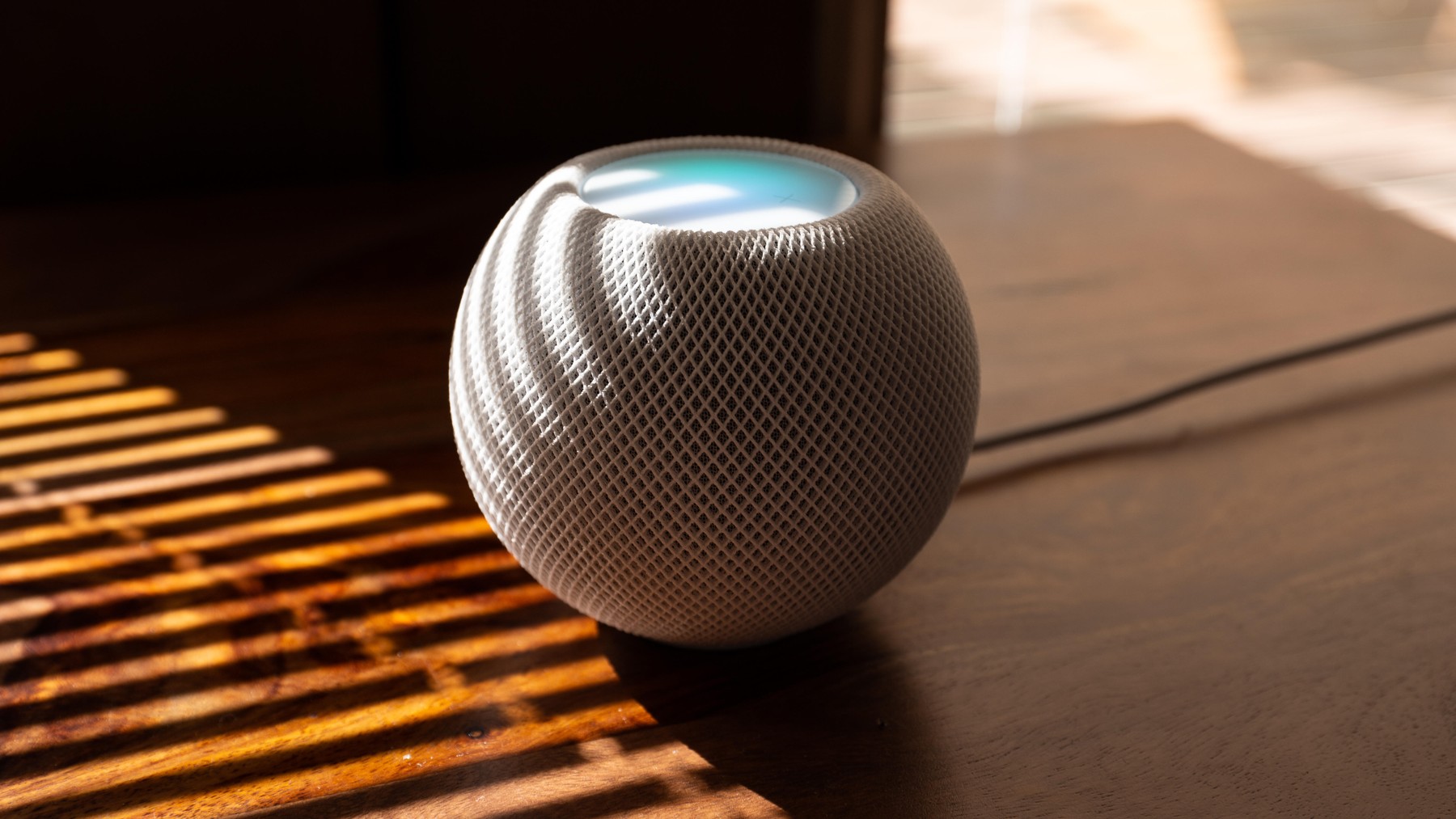
A compact Siri speaker can make sense in an Apple household. Compatibility and listening habits matter more than the small footprint.